…The Simple Guide to Making a Weight Loss Plan…
ScaleGeneric081211-e1425334365300

Source of Photo

When you decide you want to lose weight, you can stumble before you even manage to get to a gym or begin a diet. Where should you start? Putting together a plan to lose weight can be more difficult than you thought it would be. You know you need to start working out and change the way you eat, but you have no idea what your first move should be. It’s hard to make significant lifestyle changes if you’re trying to make lots of them at once. And fitting your new choices around your busy life can feel impossible at first. Use this guide to develop a weight loss plan that will work for you.

Set Goals

Before you begin your plan, you should know what you want to work toward. Having weight loss and fitness goals gives you somewhere to start. Once you know what you want, it will be easier to start deciding how you’re going to get there. Not everyone will measure their weight loss in terms of how much they weigh. While it’s a popular method, it’s not the only way to do it. If you choose not to weigh yourself, you could measure yourself with a tape measure to check your weight loss in inches. You might also have a particular clothes size that you want to fit into. It helps to be able to check your progress regularly, but you don’t need to weigh yourself every day.

Assess Your Current Routine

Having a look at your life as it is now will help you decide what you’re capable of. There’s no point deciding to work out five times a week if realistically you won’t have time. You need to think about your other commitments and how you’re going to fit losing weight around them. For example, if it’s hard for you to find time to cook a healthy meal, you can make sure you look for quick recipes or invest in a slow cooker. You can plan for when you’ll be motivated to exercise and, most importantly, when you’ll have time to do it.

Draw Up a Diet Plan

Eating cleanly is one of the main aspects of losing weight. It’s not just about what you eat, but about portion control too. It’s all very well eating healthy food, but it’s not much use if you’re eating enough for two people. Everyone has a slightly different approach to how they eat healthily. You might pick a particular diet like paleo or the Mediterranean diet, or you might just decide to cut out snacks and junk food. You might choose to find the best fat burners to supplement your diet. Whatever you do, make sure you have enough energy to get you through your day.

Choose Your Workout

When you start working out, choose something you think you’ll enjoy, or at least won’t hate. Exercise doesn’t have to be torture, so explore your options to find something you like. And, of course, consider how much time you have to commit. It might be easier for you to go on a family bike ride than to find time to spend at the gym.

Creating a weight loss plan will make dropping the pounds easier. Give yourself a helping hand by writing down your goals and how you will reach them.
…Losing Weight with the FitBit…

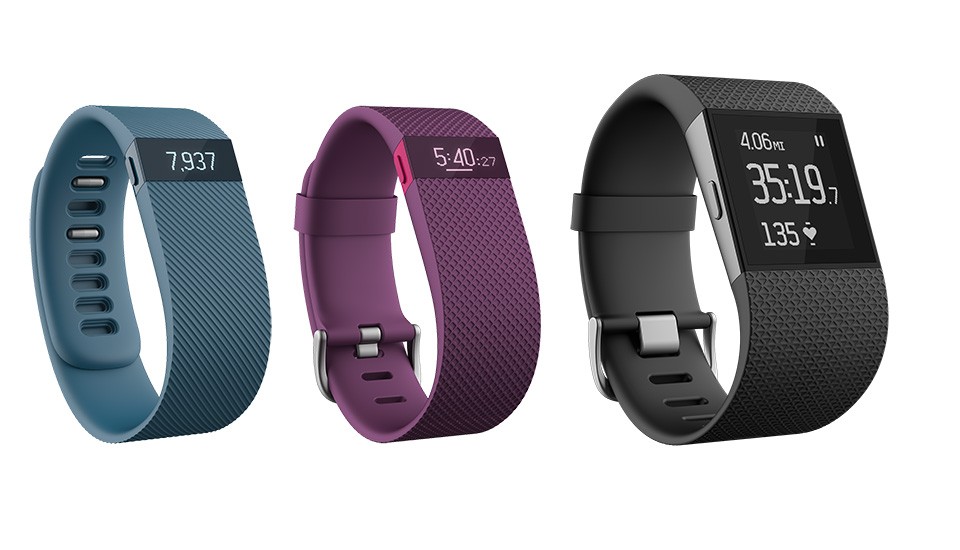
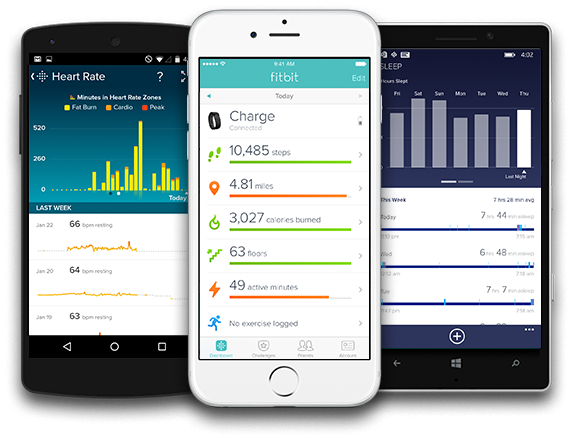
A wearable fitness tracking device like the FitBit can be an invaluable resource in achieving a healthier

lifestyle, but the journey only begins when you choose the best fitness watch for you at Harvey Norman.

In order to get the best results from using a fitness tracker, there are a few permanent lifestyle changes

that must be made, and it’s important to consider the required input before investing in a wearable

tracker as a tool for reaching your fitness goals.

Fitbit_trio

Initial Lifestyle Evaluation

A fitness tracker is intended to record the wearer’s normal level of activity for the purpose of identifying

ways to practice a less sedentary routine. Newcomers to wearable fitness tracking technology should

wear their new devices for at least a week to allow it to record the physical impact of your regular

routine as well as taking careful notes on the daily log generated by the tracker.

simple.b-cssdisabled-png.hf23e75da85ef747b61adcf8d0da22826

Adding Activity

Once the physical nature of your daily activities has been established, you can look for ways to increase

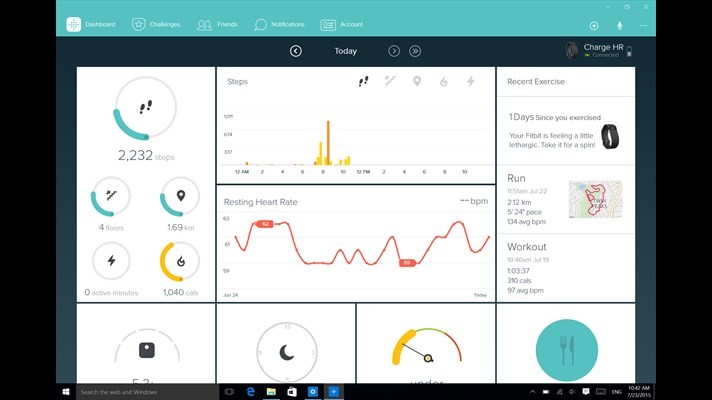
the role of exercise in your routine. Many models of tracker are equipped with features such as step

goals, which can show the minimum number of steps the wearer should take on a daily basis to move

closer to their fitness goals, allowing users to add more activity to their everyday lives. The results of

increased physical activity are not always immediately apparent, but even a slight increase in activity

such as a short daily stroll can deliver a range of health benefits.

resize

Tracking Diet

Your diet is one of the most important aspects of achieving lasting weight loss, and so most fitness

tracker systems include a resource for monitoring your caloric intake by entering foods into a daily log.

With caloric intake to burn ratio standing as the proven path to sustainable weight loss, logging the

details of your diet along with your daily activities will promote much faster results than increased

activity alone.

apps.24730.9007199266242687.586eee51-5d7c-413d-90a4-c9c0af41872e

Resting Nightly

Restful and restorative sleep is an underrated factor in maintaining a healthy lifestyle, as 7 to 8 hours of

rest enables the body to properly restore its energy reserves and repair any damage resulting from the

abuses of everyday life. Regular scheduled sleep times also make it much less likely for you to overeat

after hours or compensate for depleted morning energy levels with sugary drinks. This is why the sleep

tracking resources featured on many fitness trackers is critical to determining the length and quality of

your restful sleep, allowing you to alter your routine to enjoy the appropriate amount of rest each night.

A fitness tracking unit can help dedicated users better manage their lifestyles, but it won’t do the work

for you. Making lasting changes to your everyday life is the only way to get the most out of your

investment in a fitness tracker.