One of the most common questions I get via email and from my own personal clients is “What are the main differences between supplements” or “What kind of supplements should I take”.

There are dozens upon dozens of stores stocked full of supplements for people to take that claim to help improve their performance when working out or competing in a sport. They can also help with recovery or help you get the energy you need before your workouts.
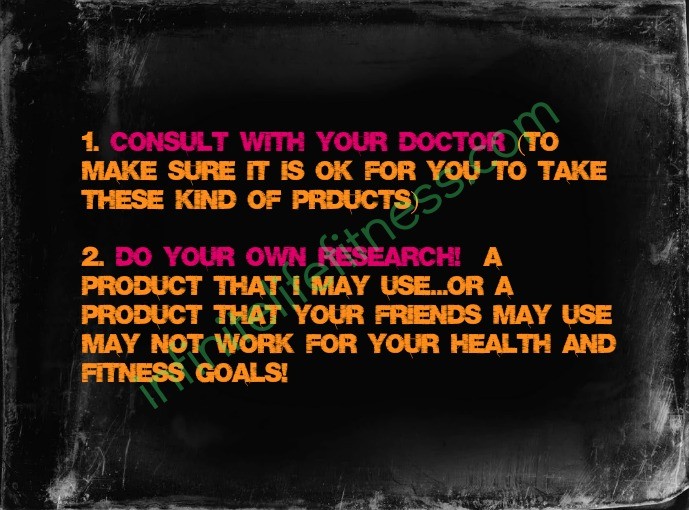
The main thing that I like to tell ANYONE before they use or purchase any supplements:
Today I would like to talk about Creatine:
Creatine is something that is already naturally found in the muscles in your body. Contrary to some myths, Creatine is NOT a steroid.
Creatine helps reduce muscle fatigue, and so can really help your workout. This is done via the body transporting an energy source called ATP (Adenosine Triphosphate) into your muscle cells. Your body breaks down ATP in your body and concerts to a usable energy source.
Incorporating more creatine into your diet can be done many different ways. You can take a supplement or you can consume it by eating product such as red meat and fish.
If you continuously take creatine over an extended period of time, it will assist your body in producing more lean muscle mass. This in return makes you stronger and able to lift more and do more reps when you are in the gym (on in a competitive sport).
BE AWARE: Creatine may not be as effective for everyone that uses it. As with any product, it will work differently for different people that take it. Creatine also increases the water uptake that is in your muscles. This excess water can cause slight weight gain and give you the “soft” or “fluffy” look. This is just the excess water that is build up.
Creatine can also cause stomach and intestinal issues. Be careful when using this product and if anything extreme happens STOP TAKING IT and see a doctor.
As with any product, there are certain side affects or risk that can be involved. Make sure to do your own research as to how much you think you should take and when you should stop taking these supplements. You should not take these types of supplements consecutively for long periods of time. With supplements like creatine you can “load” on and off of the product (you take a certain amount for a certain period of time). You are also suppose to cycle on and off of it (take it for a period of time and then not take it at all).
Like I said before, it is very important for you to look into the products that you want to take and inform yourself of the risk and time periods that you should take the product.
I hope that this was an informative post! Stay tuned for more information on other supplements and products that you regularly see at you local supplement store.

